When talking about AI tools for event planners in 2026, the events industry is entering a more efficient and technology-driven phase. Event planners now have access to AI for event marketing, attendee engagement, content creation, scheduling, data analysis and administrative work. These tools can reduce repetitive tasks and give planners more time to focus on creating memorable experiences.
Planning an event involves much more than choosing a venue and sending invitations. Planners have to manage registrations, vendors, budgets, guest communication, schedules and last-minute changes. Across India and the USA, where expectations for professional and personalized events continue to grow, AI can help simplify these responsibilities while keeping human creativity at the center.
Advantages of AI Tools for Event Planners
Event planning can involve hundreds of small tasks, and missing one detail can affect the entire experience. AI helps planners handle some of these repetitive responsibilities more efficiently, from writing promotional content to analyzing attendee information.
- Faster event planning and organization
- Reduced administrative workload
- Better attendee communication
- Faster content and marketing creation
- Improved event data analysis
- Easier personalization for attendees
- More time for creative planning and guest experience
| Event Planning Task | How AI Can Help |
|---|---|
| Event Marketing | Create content and campaign ideas |
| Attendee Communication | Draft emails and event updates |
| Registration | Organize attendee information |
| Event Planning | Automate repetitive workflows |
| Data Analysis | Identify engagement patterns |
| Content Creation | Develop copy, schedules and ideas |
The biggest advantage is not replacing the event planner, but giving them more time to focus on decisions, creativity and the attendee experience.
Below are the best AI tools for event planners in 2026 & beyond –
1. Cvent
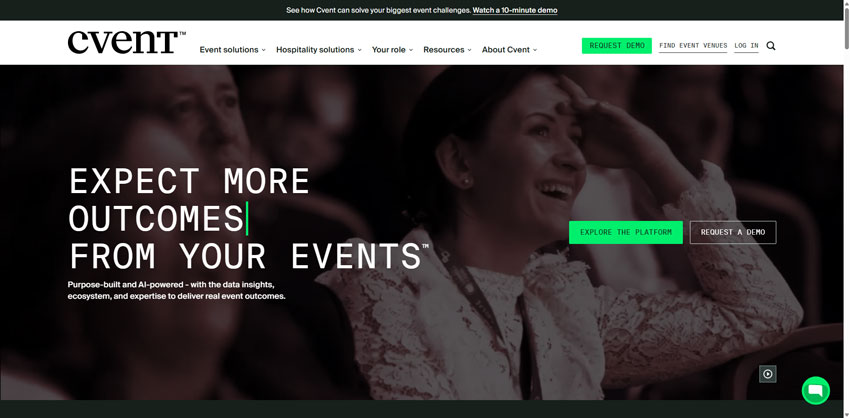
Cvent is one of the well-known event management platforms used by planners to manage registrations, attendee experiences, event marketing and other event operations. In 2026, Cvent has expanded its AI capabilities through CventIQ, which supports different stages of the event lifecycle, including planning, personalization and reporting.
For event planners, AI-powered automation can reduce the amount of repetitive work involved in managing events. Cvent highlights capabilities such as AI-powered automations, personalized recommendations, attendee matching and real-time event reporting, helping planners work with event information more efficiently.
This makes Cvent particularly useful for conferences, corporate events, exhibitions and larger programs where planners have to manage significant amounts of attendee and event data. AI-supported event management can help planners spend less time on logistics and more time improving the overall event experience.
Website Link – https://www.cvent.com/
2. Eventbrite
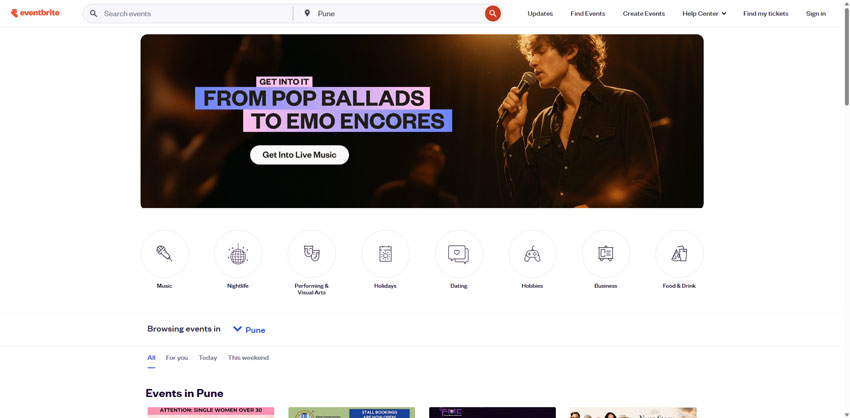
Eventbrite is an event management and ticketing platform that helps organizers create, promote and manage events. Its platform can be useful for planners handling everything from smaller community gatherings to professional events. Eventbrite also highlights AI-related use cases for event organizers, including creating promotional copy and developing event content.
For event planners, creating marketing material for every event can take considerable time. AI can help generate initial ideas for social posts, event descriptions, promotional messages and other content that can then be reviewed and customized by the planner.
Eventbrite can also help organizers manage registrations and ticketing through a centralized platform. When marketing and event management are brought together, planners can spend less time switching between different tasks and more time improving attendance and engagement.
Website Link – https://www.eventbrite.com/
3. Bizzabo
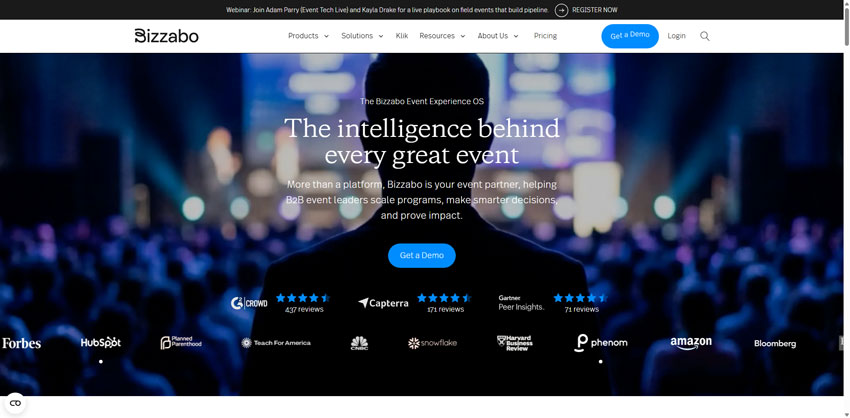
Bizzabo is an event experience platform designed to help organizations manage professional events and create better attendee experiences. It supports areas such as event registration, networking, event websites, attendee engagement and event analytics.
For event planners, platforms like Bizzabo can help bring different parts of the event experience into one workflow. Instead of managing registration, communication and engagement separately, planners can organize important event activities through a centralized system.
AI can also be useful when planners need to understand attendee behavior and engagement. Data from registrations, sessions and interactions can provide useful information for improving future events. The more planners understand how attendees interact with an event, the easier it becomes to make informed improvements for the next one.
Bizzabo is particularly relevant for corporate conferences, professional gatherings and organizations that run multiple events throughout the year.
Website Link – https://www.bizzabo.com/
4. Whova
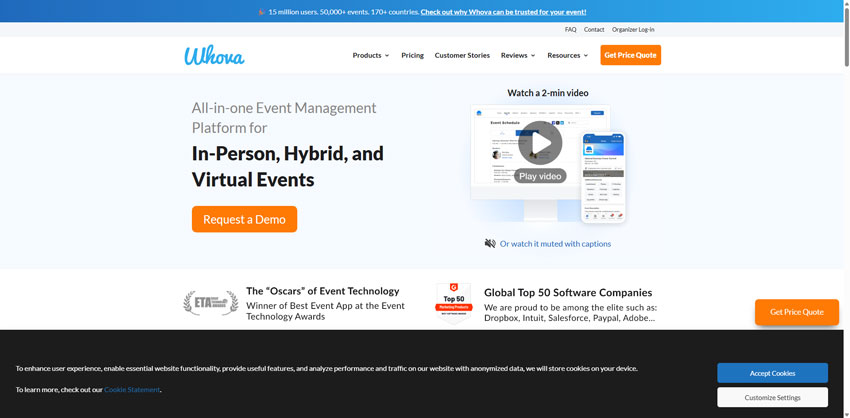
Whova is an event management platform that helps organizers manage event registration, attendee engagement, networking, agendas and event communication. It is designed to support both organizers and attendees throughout the event experience.
For planners, attendee communication is one of the areas where technology can make a noticeable difference. Event schedules change, speakers need updates and attendees often have questions before and during an event. A centralized platform can help planners communicate important information more efficiently.
Whova can also support networking and engagement by helping attendees discover sessions, people and activities that are relevant to them. Personalization matters because attendees are more likely to engage when an event feels relevant to their interests and needs.
The platform can be useful for conferences, meetings, educational events and professional gatherings where networking and attendee interaction are important parts of the experience.
Website Link – https://whova.com/
5. ChatGPT
ChatGPT can work as a flexible AI assistant for event planners. It can help create event descriptions, invitation messages, social media captions, email drafts, speaker introductions, session ideas and post-event content. It can also help planners organize rough notes into clearer documents and communication.
One practical advantage is that planners do not always need to start from a blank page. They can provide their event details and ask AI to create a first draft, then adjust the language to match the event’s audience and brand voice.
ChatGPT can also help with brainstorming when planners are developing themes, activities or promotional campaigns. AI is most useful here as a creative assistant, while the event planner remains responsible for choosing ideas that are realistic and appropriate for the audience.
As with any AI tool, planners should verify important details before publishing or sending content. Confidential attendee information should also be handled according to the organization’s privacy and security requirements.
Website Link – https://chatgpt.com/
Why Event Planners Have to Use AI Tools in 2026
Event planners spend a significant amount of time coordinating vendors, communicating with attendees, creating content, managing registrations and dealing with unexpected changes. AI can assist with some of these repetitive tasks, helping planners reduce the administrative burden that comes with organizing an event.
The event industry is also becoming increasingly data-driven. Registration numbers, attendee engagement, session participation and feedback can provide valuable information about what worked and what needs improvement. AI-powered tools can help planners organize and interpret this information more efficiently.
There is also a growing need for personalized experiences. Attendees do not simply want to attend an event; they want useful sessions, relevant connections and smooth communication. AI can support personalization by helping planners work with attendee information and create more relevant event experiences.
The smartest approach is to use AI for repetitive work while keeping human planners responsible for creativity, relationships, judgment and important event decisions.
Conclusion
AI tools for event planners in 2026 are becoming practical solutions for managing the growing complexity of modern events. From registration and attendee engagement to content creation, marketing and analytics, these tools can help planners reduce repetitive work and improve their daily workflow.
However, technology alone does not create a successful event. The best events still depend on creativity, attention to detail, communication and understanding the audience. AI should support the event planner rather than replace the human thinking behind the experience.
As these tools continue to improve, event planners who learn how to use AI responsibly can save time, manage information more effectively and focus on creating events that attendees genuinely value.
FAQ
Q1. What are AI tools for event planners?
AI tools for event planners are software solutions that assist with tasks such as event marketing, content creation, attendee communication, registration, personalization and data analysis.
Q2. What is the best AI tool for event planners?
There is no single best tool for every planner. Cvent is useful for comprehensive event management, while Eventbrite is helpful for event promotion and ticketing. ChatGPT is useful for content and creative tasks.
Q3. Can AI help event planners save time?
Yes. AI can assist with repetitive activities such as drafting emails, creating promotional content, organizing information and summarizing event data.
Q4. Can small event planners use AI tools?
Yes. Small event planners can use AI for marketing, invitations, social media content, brainstorming and attendee communication without needing a large technology setup.
Q5. Will AI replace event planners?
AI is more likely to support event planners than replace them. Creativity, negotiation, problem-solving, relationship management and understanding the audience still require human involvement.